
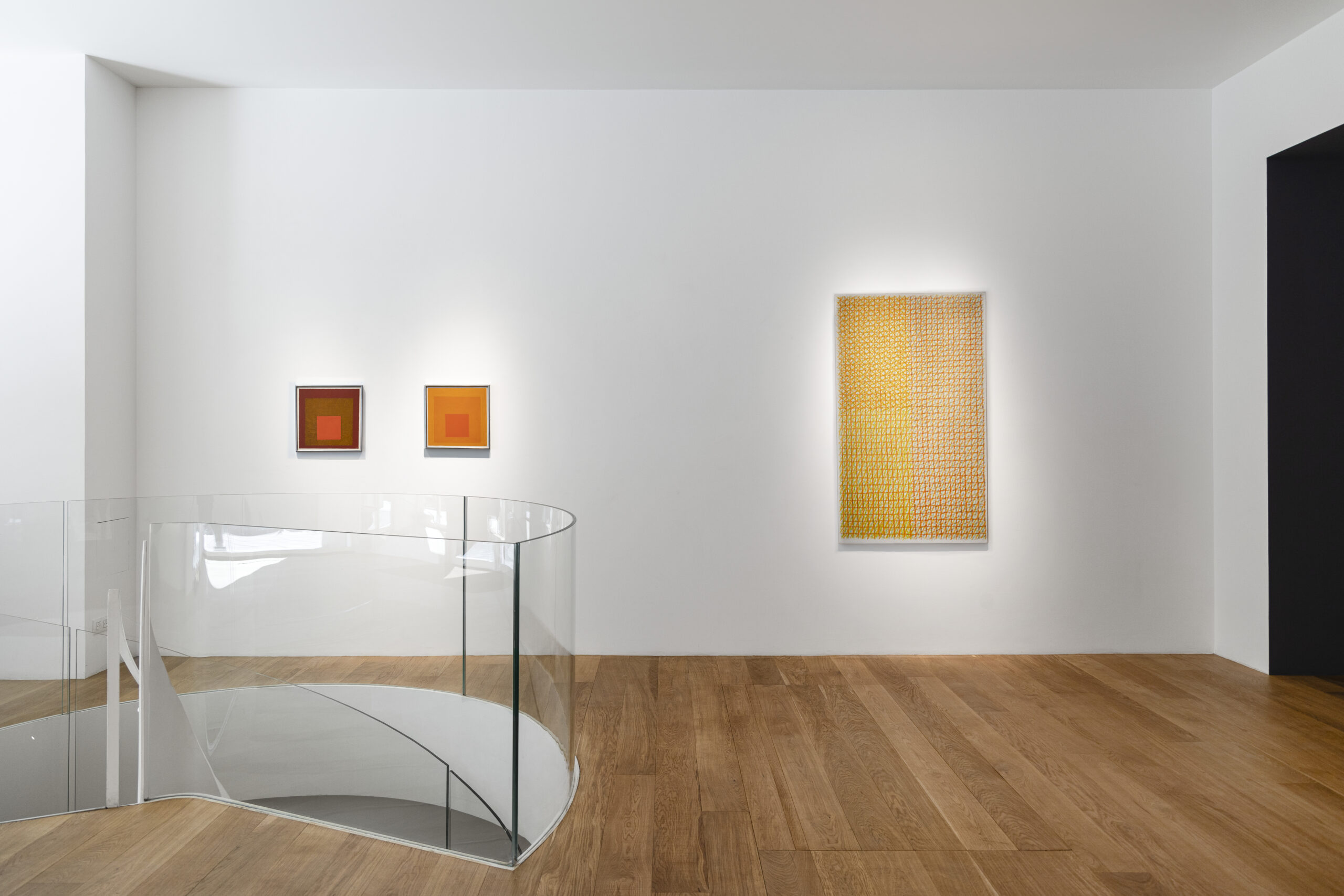
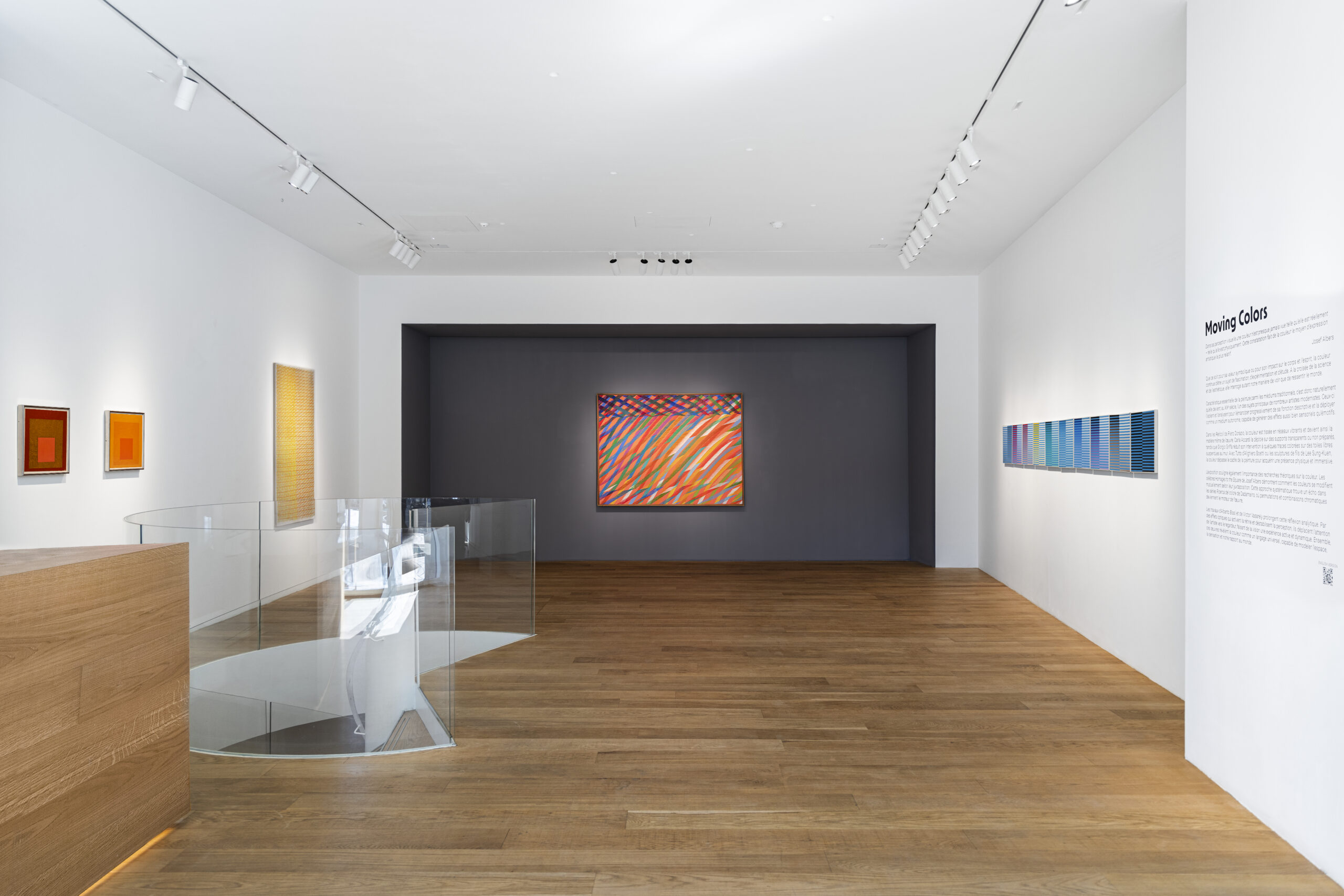
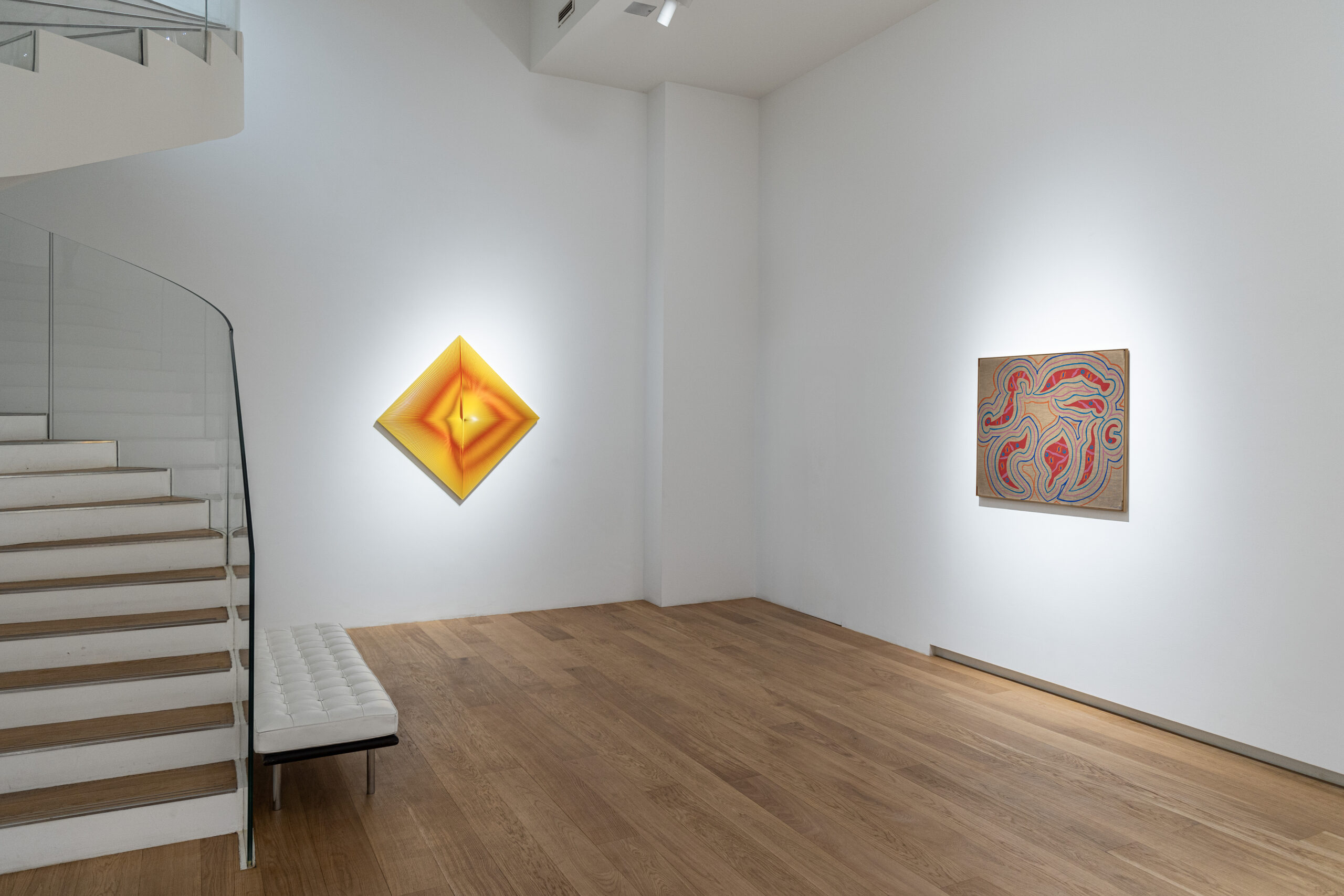
In visual perception, a color is almost never seen as it really is—as it physically is. This fact makes color the most relative medium in art.
—Josef Albers
Color takes center stage in this exhibition, which brings together Italian and international artists from the early twentieth century to the contemporary period. From Josef Albers to Lee Sung-Kuen, and including Piero Dorazio and Carla Accardi, all have made color their preferred medium, freely unleashing its immanent potential.
Whether for its symbolic value or for its impact on the body and the mind, color continues to be a subject of fascination, experimentation, and study. At the intersection of science and aesthetic, it questions as much our way of seeing as our way of feeling the world. An essential characteristic of painting among traditional media, it naturally becomes, in the twentieth century, one of the main concerns of many modernist artists. They isolate and analyze it in order to gradually free it from its descriptive function and deploy it as an autonomous medium, capable of generating both sensory and emotional effects.
Read more
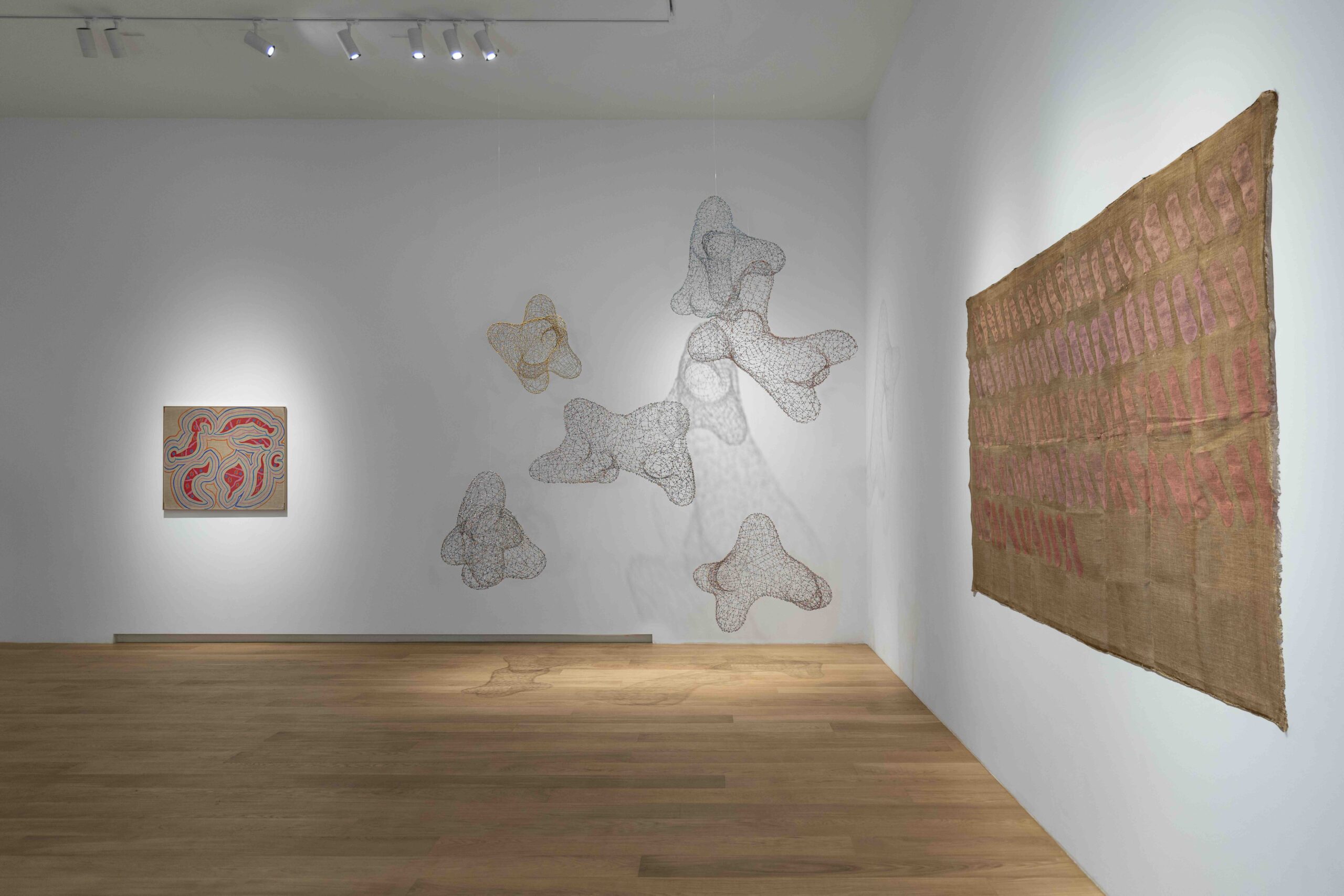
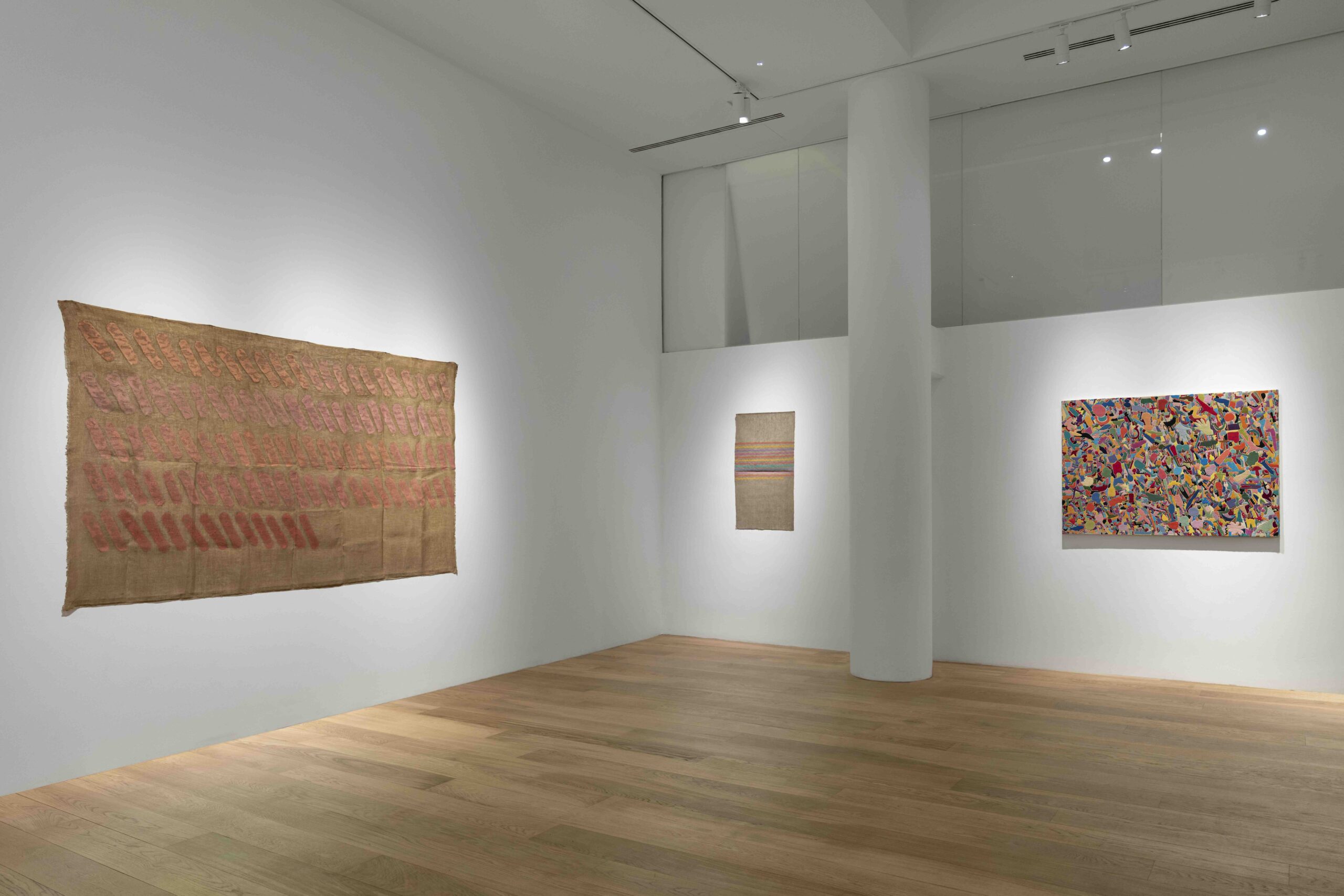
Through his work, both analytical and poetic, Piero Dorazio (1927-2005) is the ultimate painter of color. Stroke after stroke, he weaves color in his Reticoli of the 1960s, making it the very substance of his work. Emerging from the same Roman context, Carla Accardi (1924-2014) frees color from its traditional support, allowing her acid-toned markings to unfold on transparent plastic or bare canvas. The latter becomes, in the 1970s, the preferred support of the Turin-based artist Giorgio Griffa (b. 1936). In an approach close to Arte Povera, but also to Minimalist procedures, his canvases are hung directly on the wall, making traces of color the only true intervention of the artist.
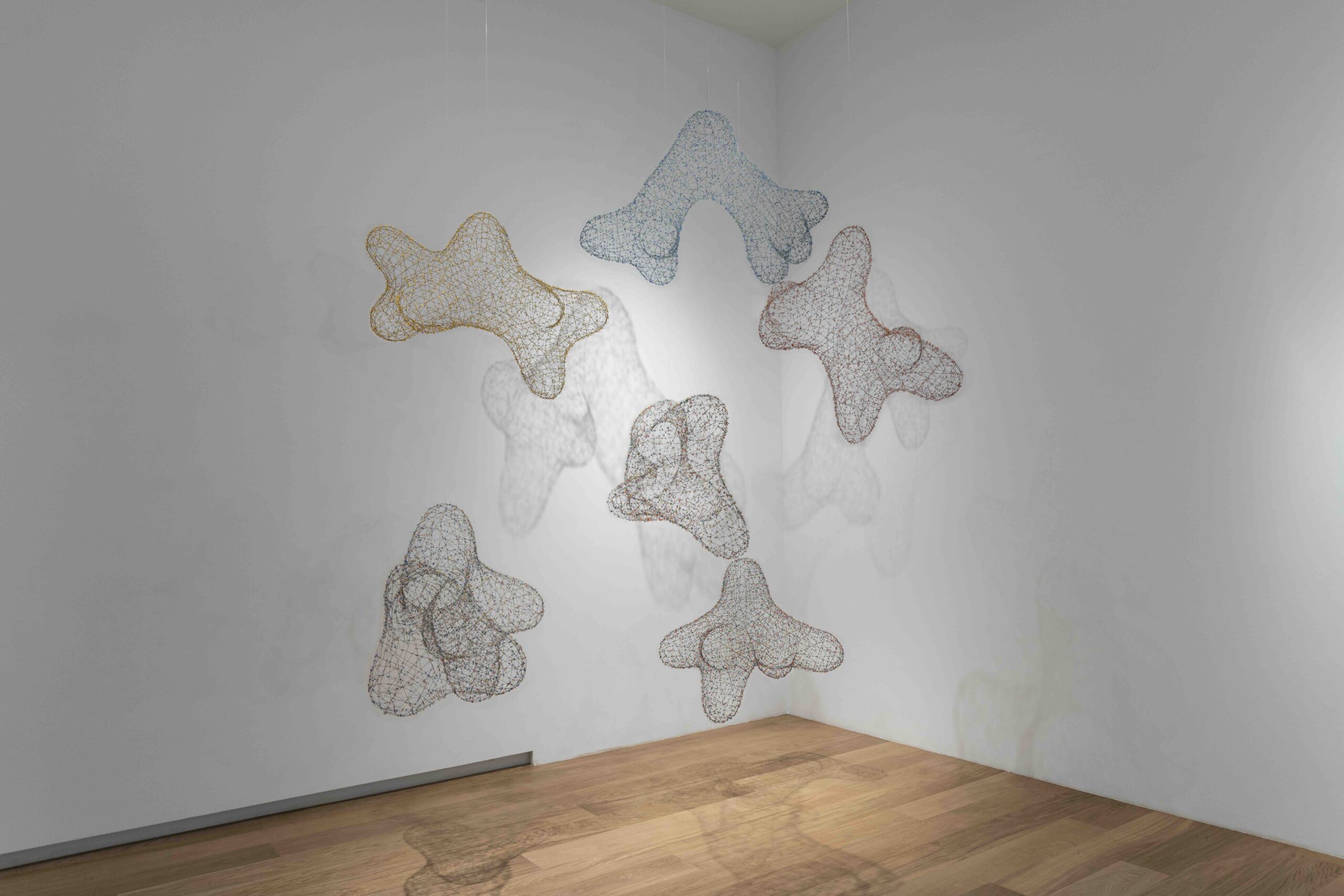
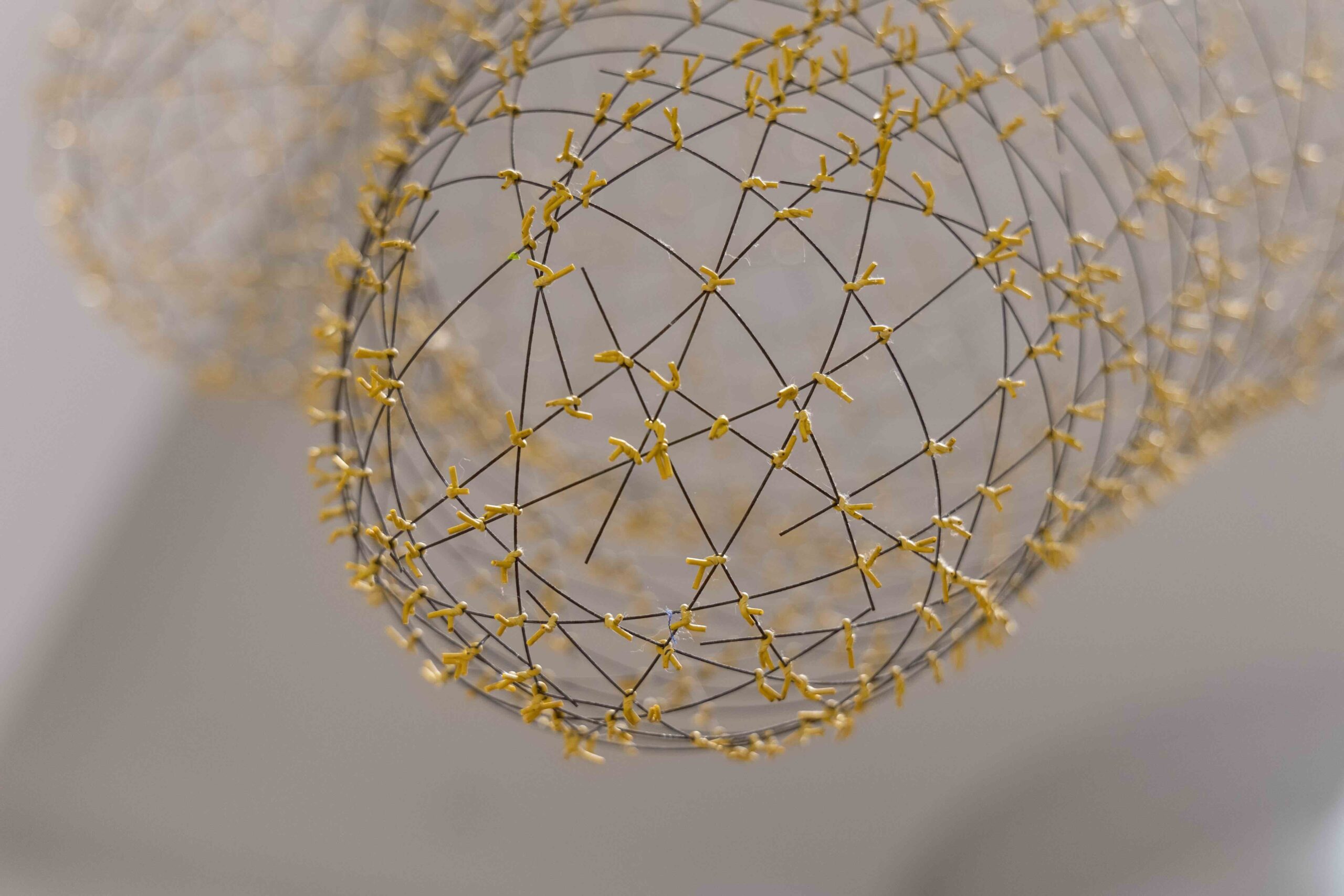
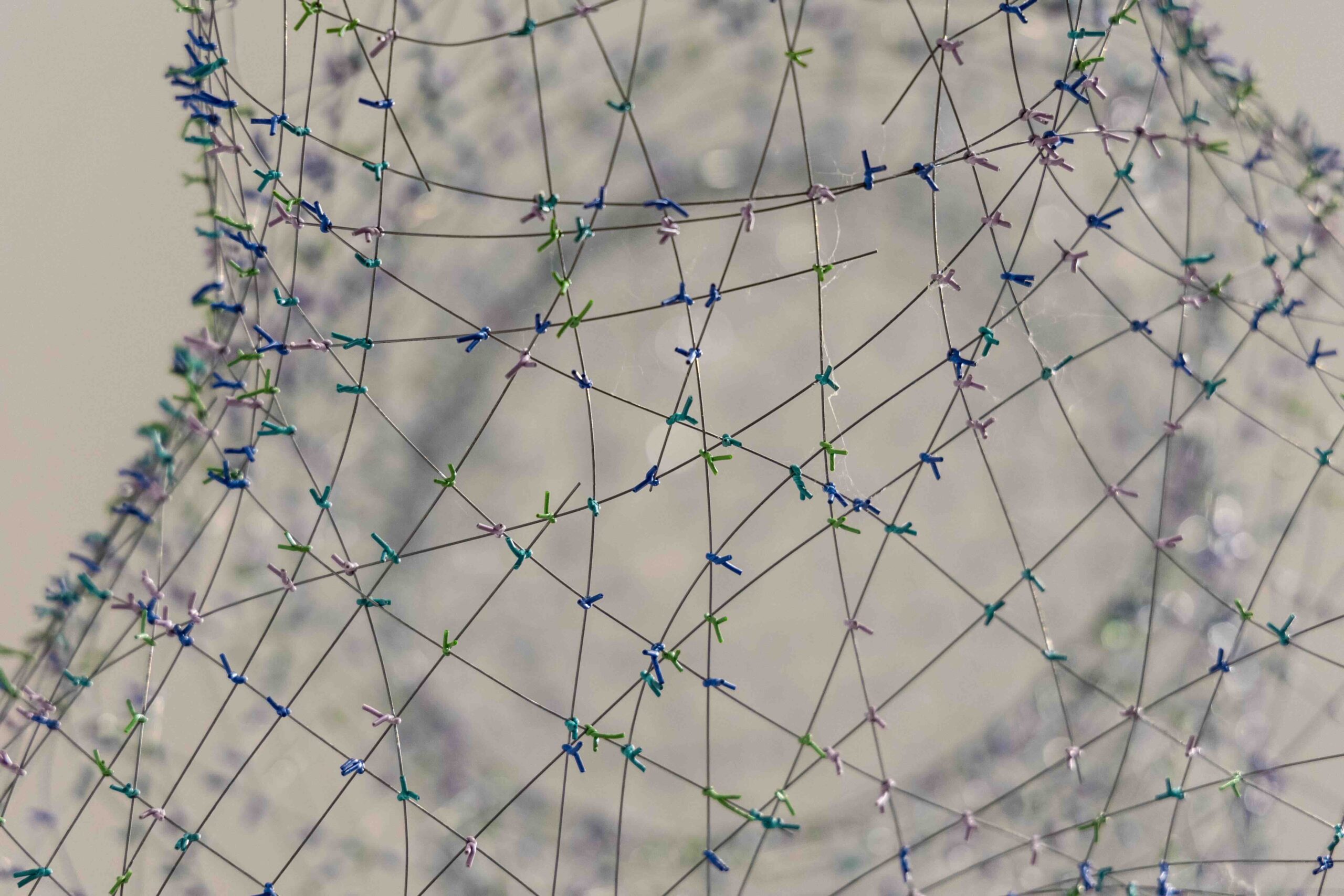
This decoupling of color and painting finds its natural extension in Tutto (1988-89) by Alighiero Boetti, a modern-day mosaic in which innumerable forms and silhouettes drawn from the artist’s visual landscape are juxtaposed. Each one was patiently embroidered by an Afghan craftswoman, who selected the color of her thread according to a simple rule: the same color could not be used on two adjacent surfaces. Years later, the Korean artist Lee Sung-Kuen (b. 1954) created his delicate sculptures made of colored threads. Like Boetti, he gives color a physical body, moving beyond painting to create works that are ever more immersive and absorbent.
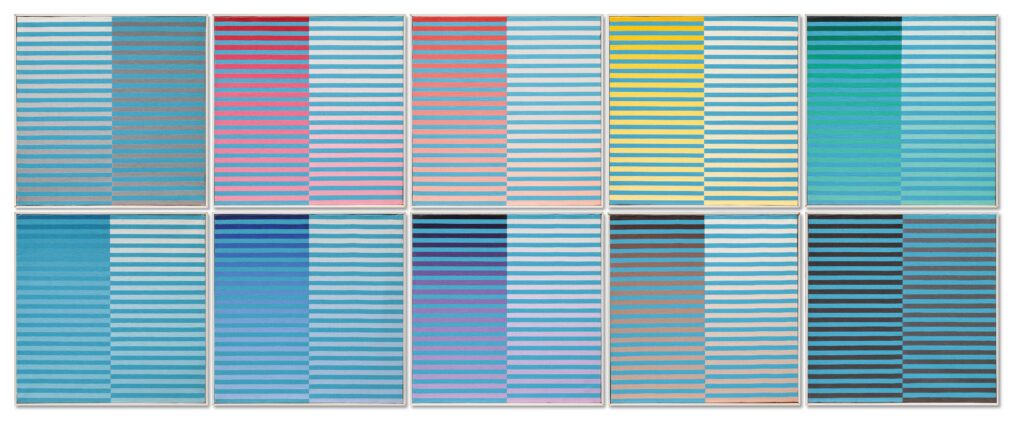
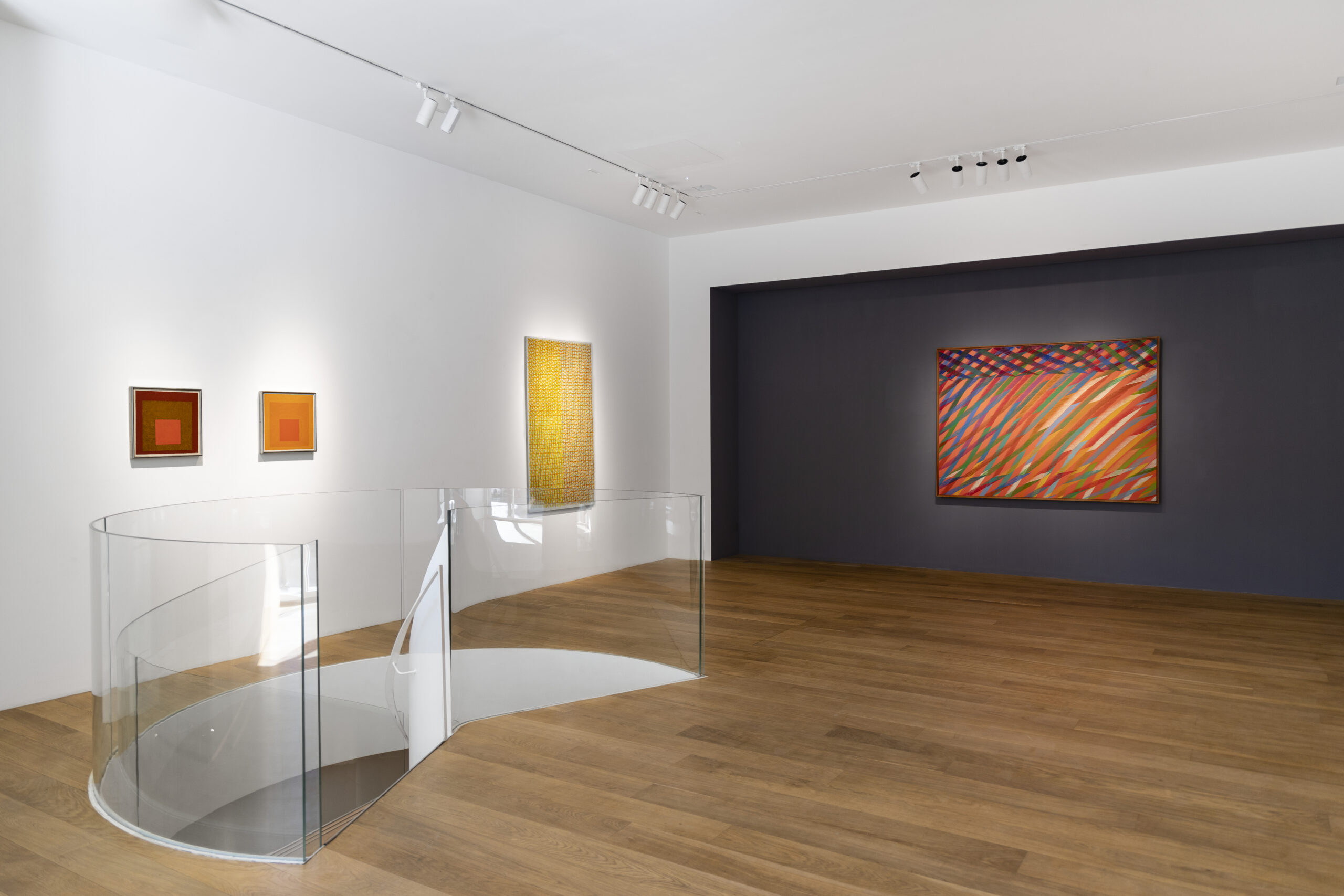
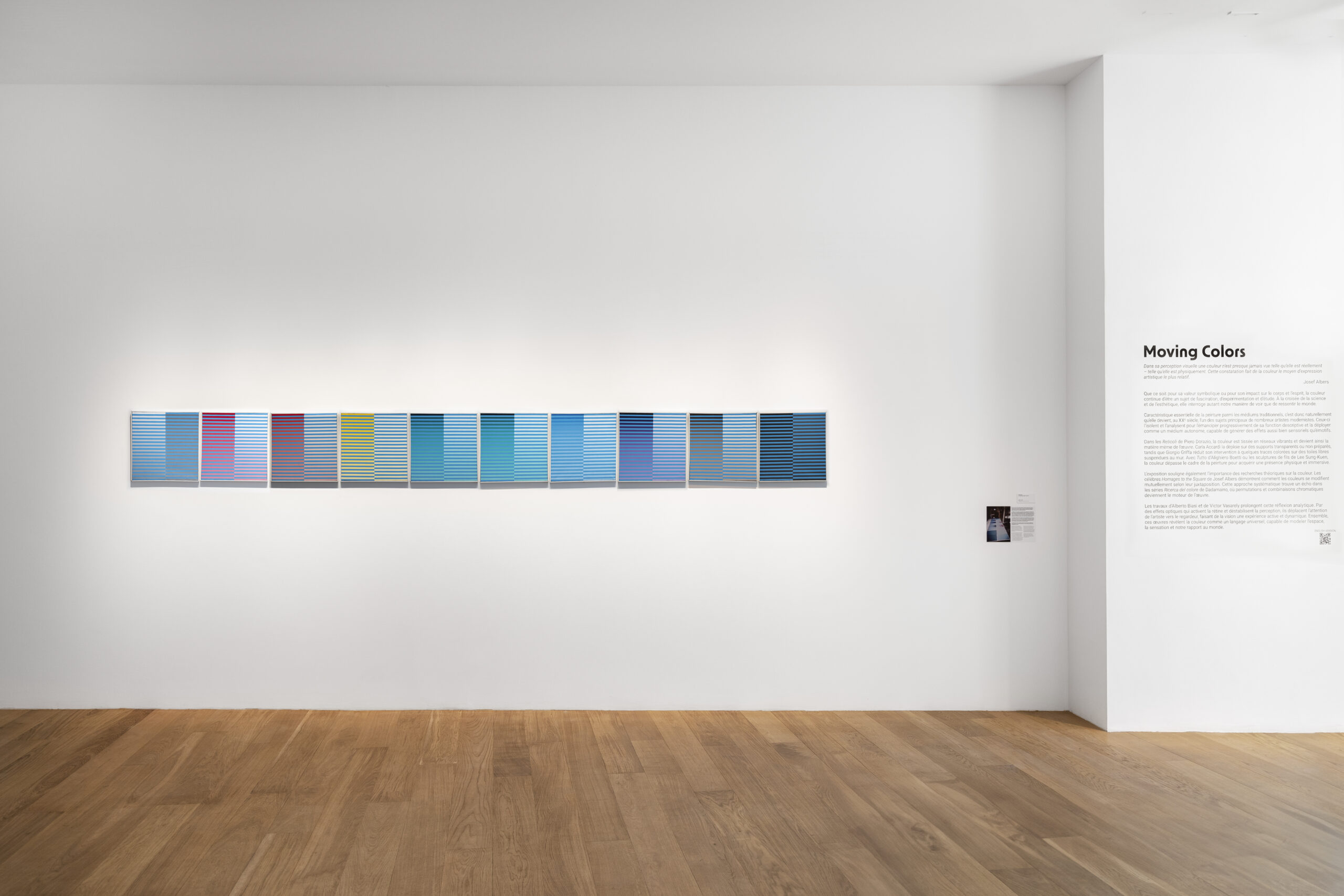
But the work of these artists would likely not have been possible without Josef Albers (1888-1976), one of the most influential theorists of color in the field of art. His famous series Homage to the Square establishes a rigorous, objective approach to color, one that allows the interaction between different hues and tonalities to emerge, rather than the hand of the artist. This discipline is taken up by artists such as Dadamaino (1930-2004), who between 1966 and 1968 devoted herself almost obsessively to the study of the effects of color permutations on perception. The resulting series Ricerca del colore are among her most ambitious and emblematic works, bridging Minimalism and Op art / kinetic art.
It is this kind of phenomenological study of perception that underpins the research of artists such as Alberto Biasi (b. 1937), who strive for the effacement of the author in favor of the viewer. His Oggetti ottico-dinamici come to life on the retina, the result of measurable perceptual phenomena and physiological effects experienced by the spectator. The work of Victor Vasarely (1906-1997), the father of Op Art, naturally completes the exhibition, combining form and color in order to push the limits of vision and perception.