

” Everyone thought my intention was to destroy, but it’s not true: I’m building.“
Lucio Fontana
“Once we have destroyed, cut up, deconstructed the real, we are left with a network of strong metal wires, a human construction full of power. And this is where we pick up the work. We take control of these wires and double them. Thus new figures are
created, new realities are imagined. Imagination is liberated. On the horizon of being, freedom is superior, power approaches possibility. We can thus glimpse new subjectivities, new fields of action, new cooperative syntheses.”
Toni Negri
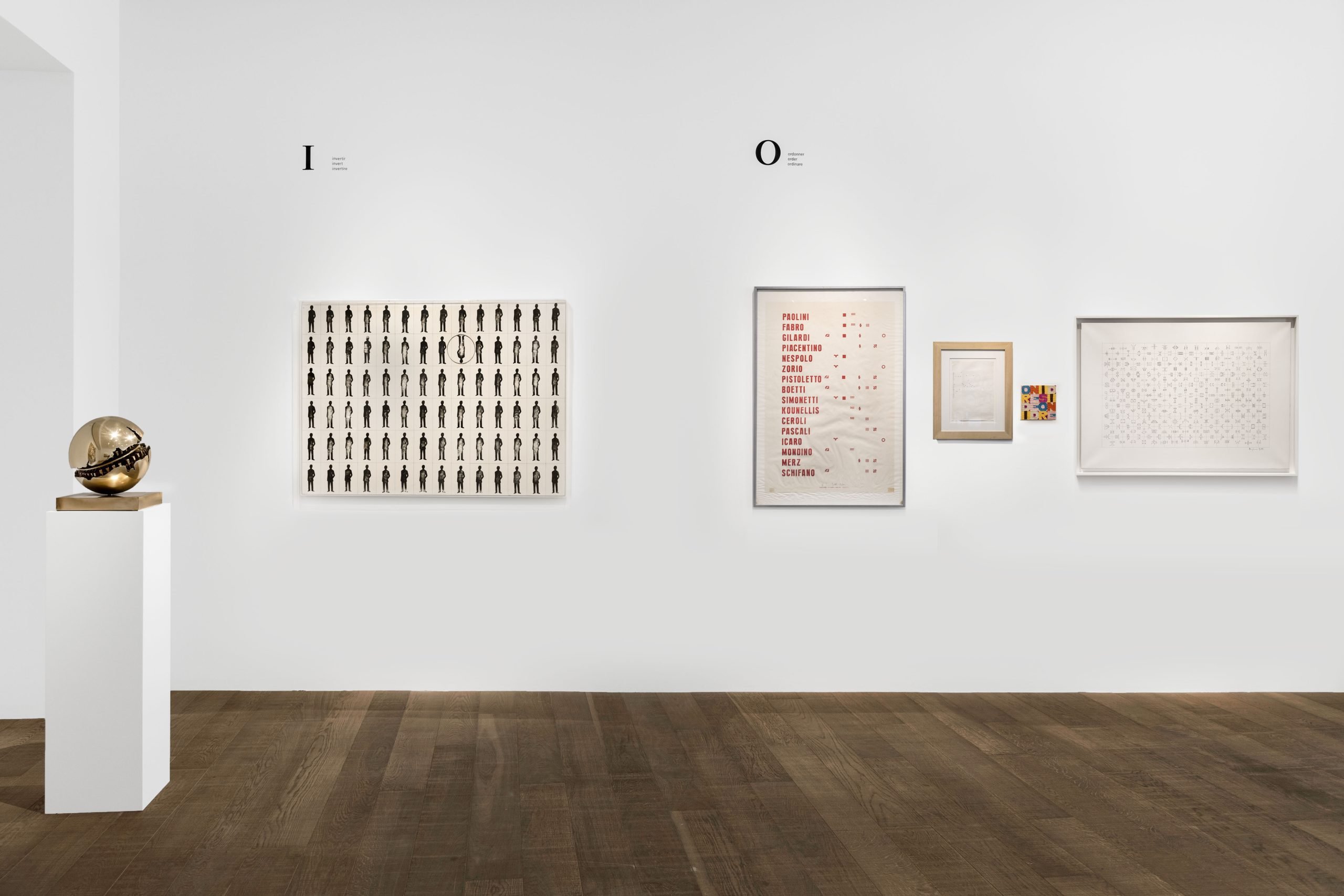
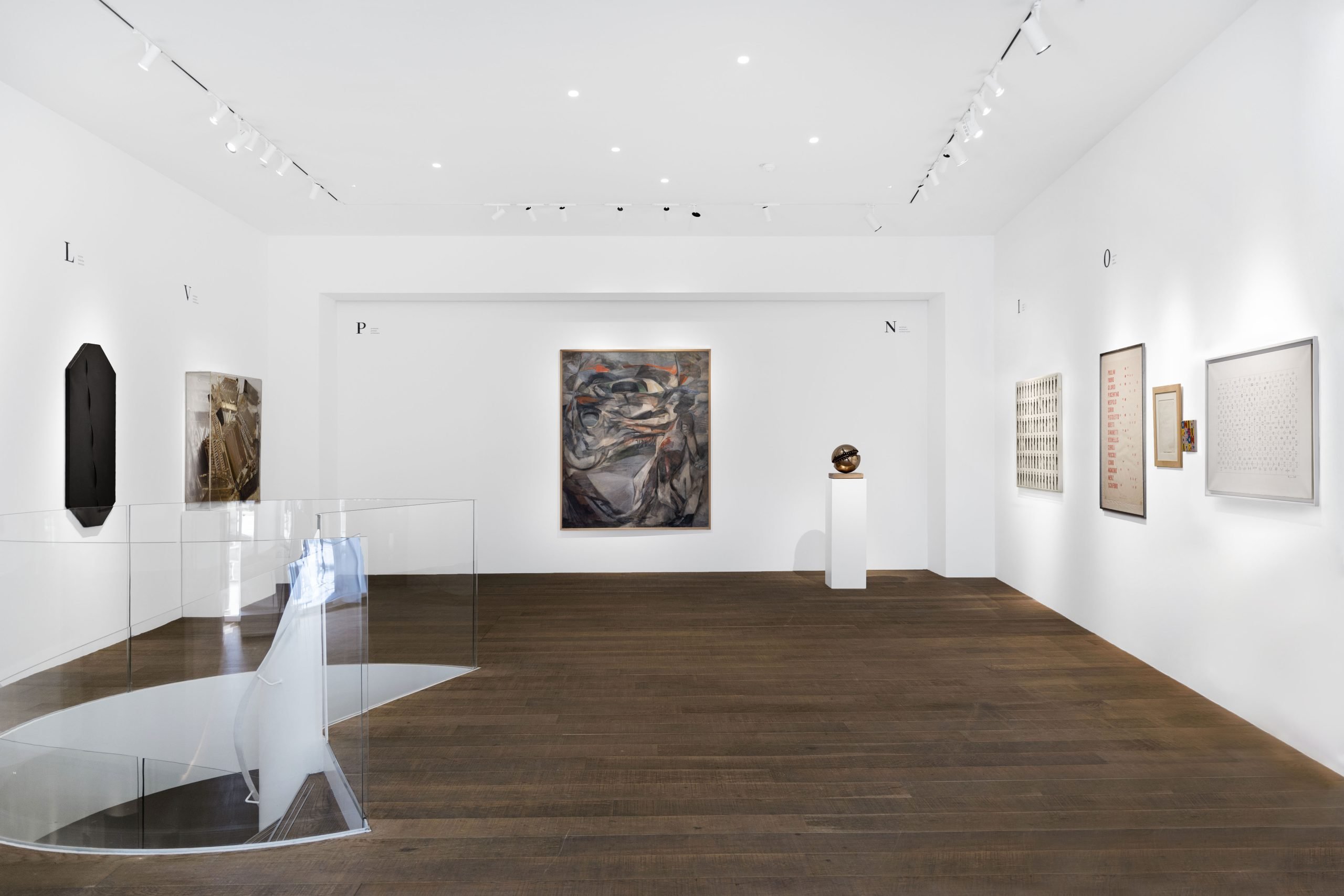
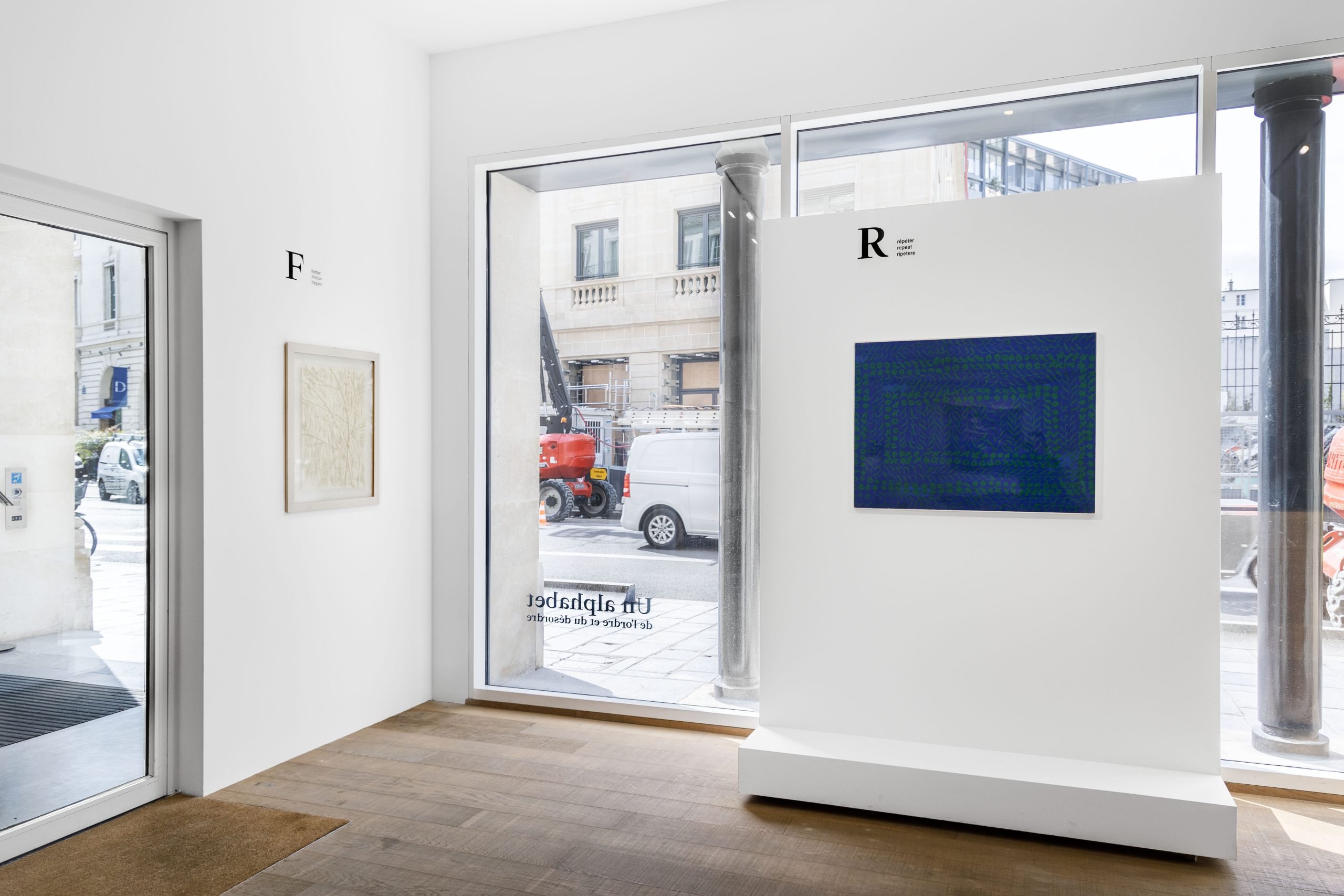
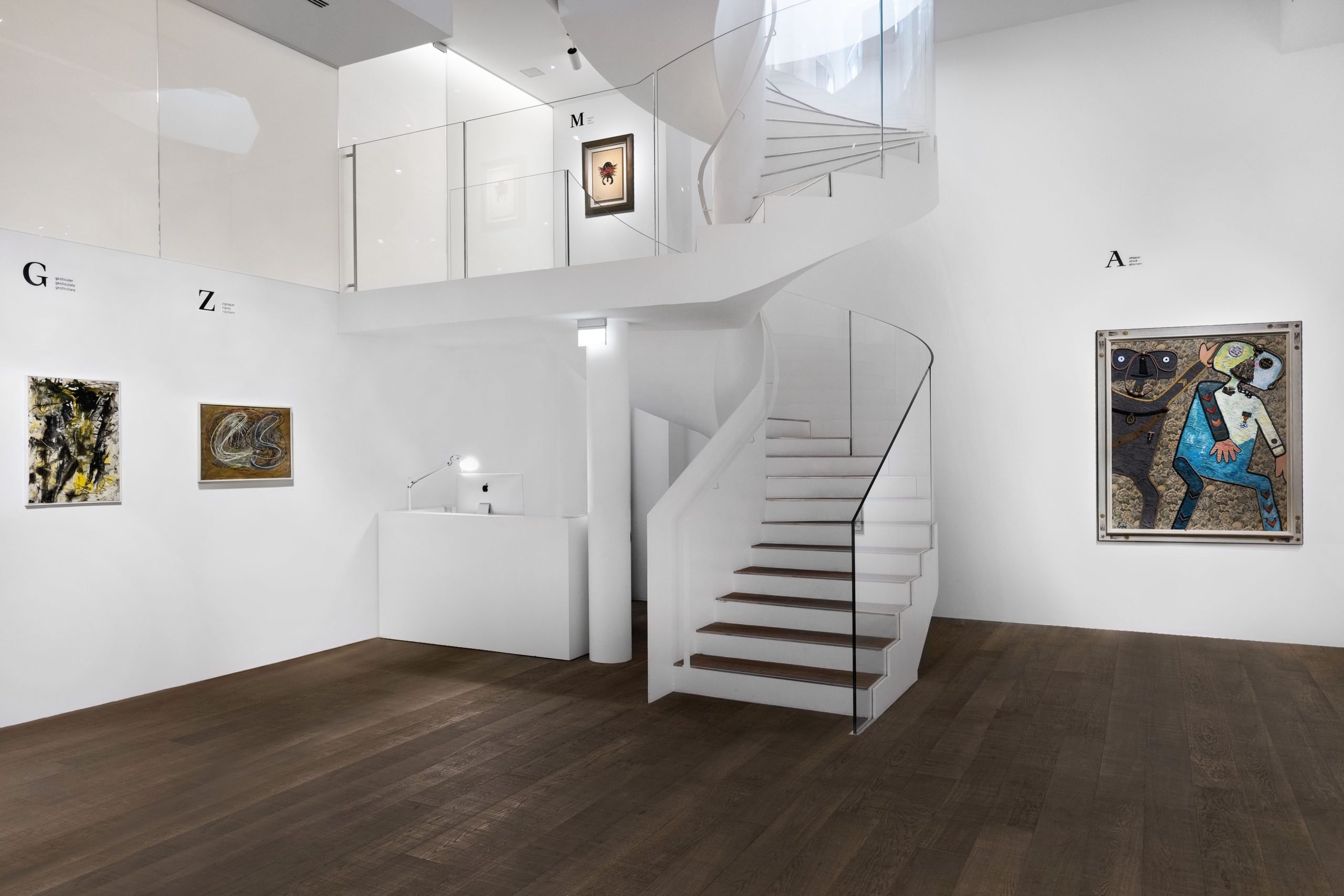
Tornabuoni Art opens its doors to curator Marc Donnadieu, who turns his critical gaze on the gallery’s post-war masterpieces. In keeping with his experimental approach, he draws out a new thread, highlighting the generative power of the destructive actions to which artists subjected the work of art after the Second World War.
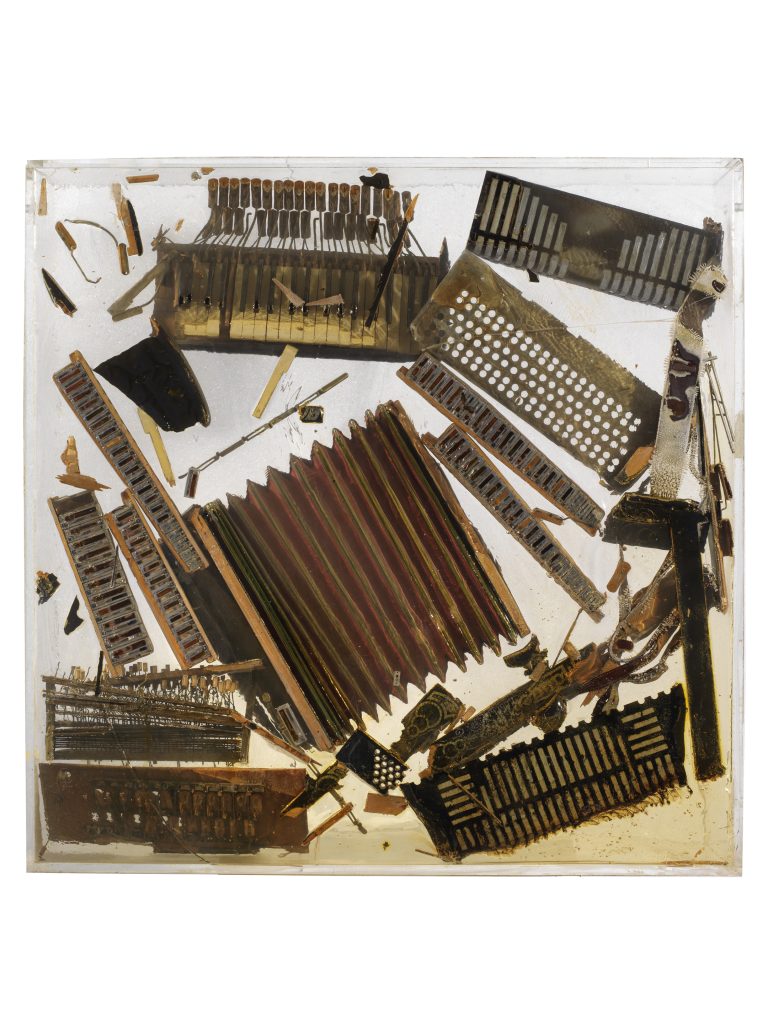
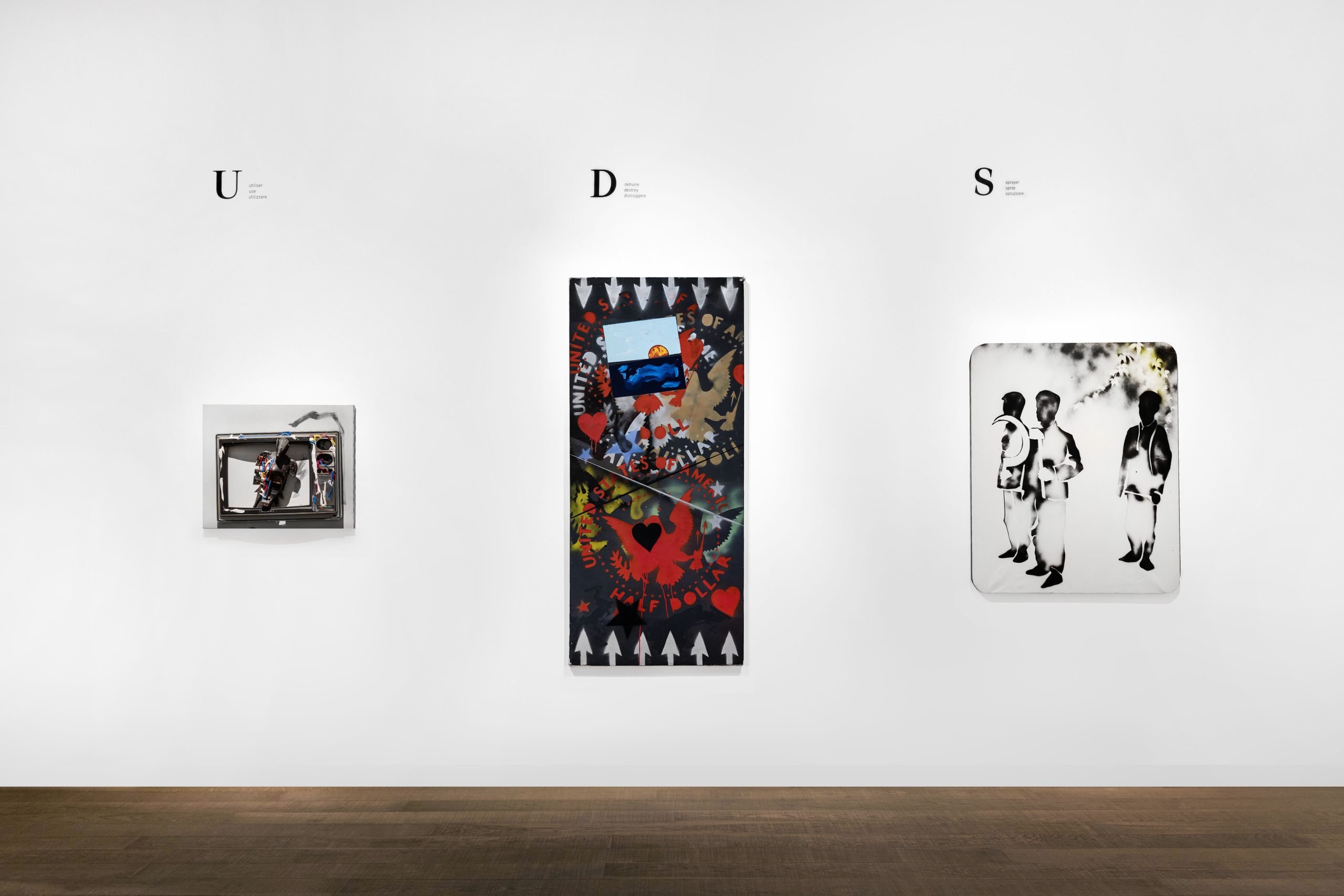
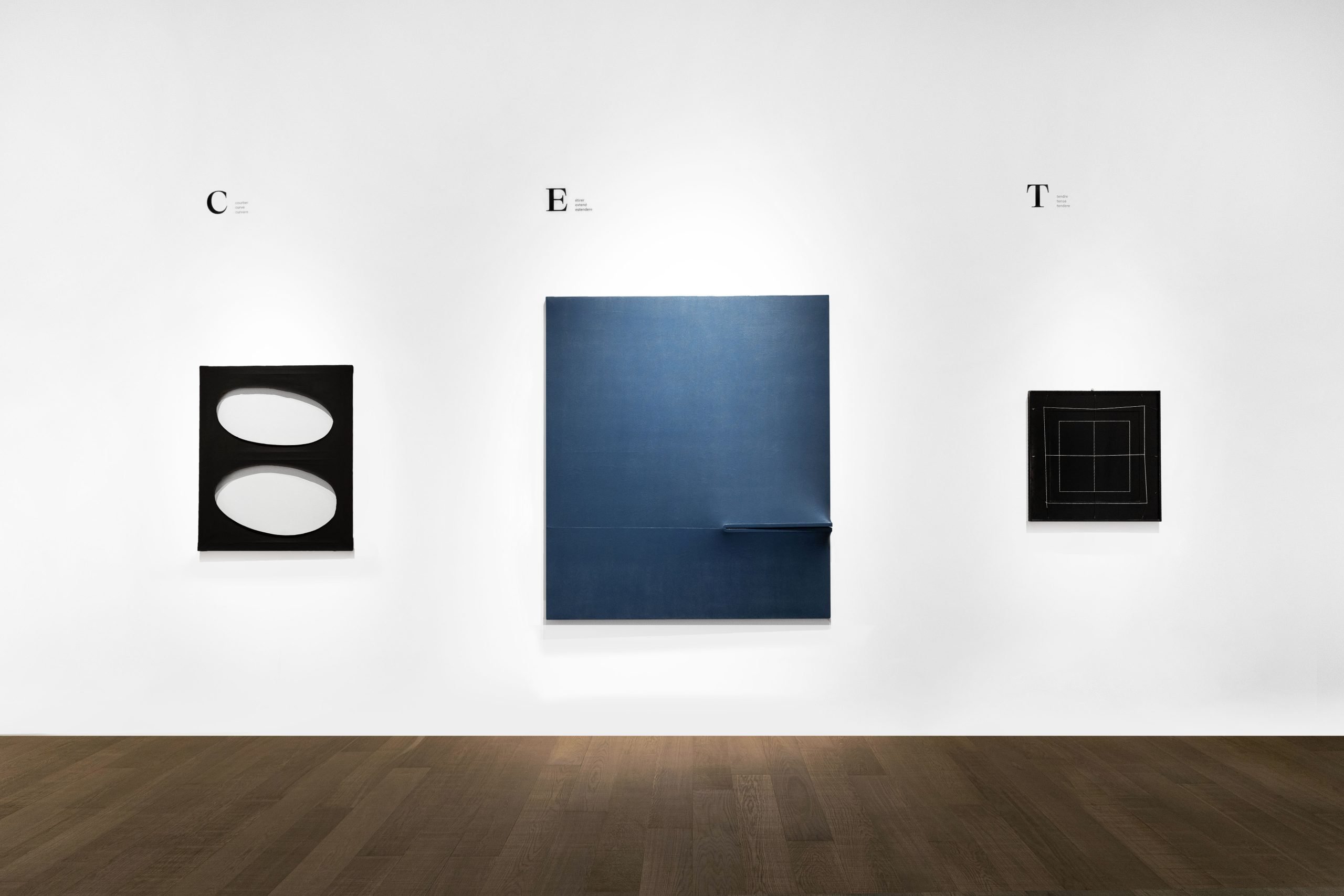
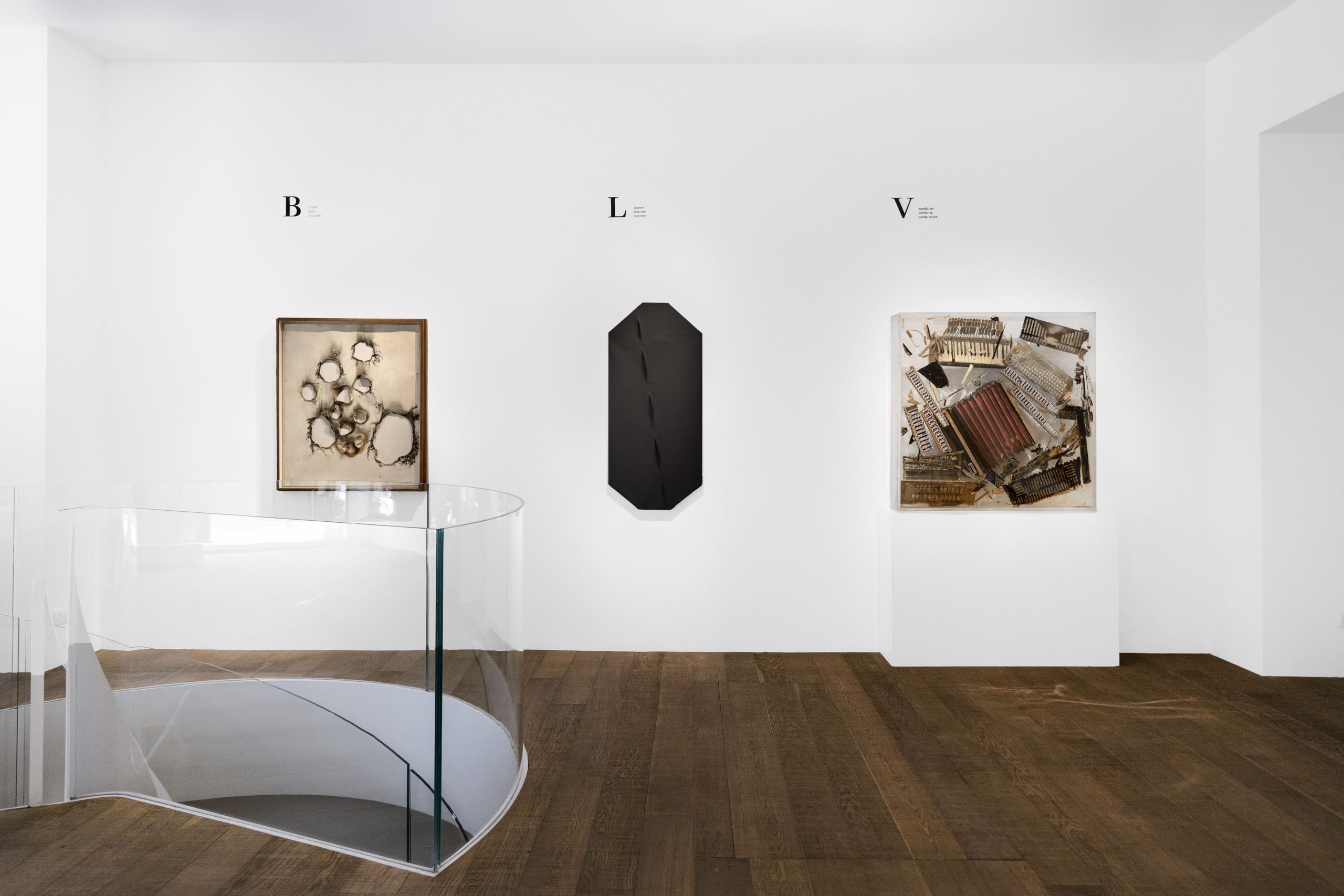
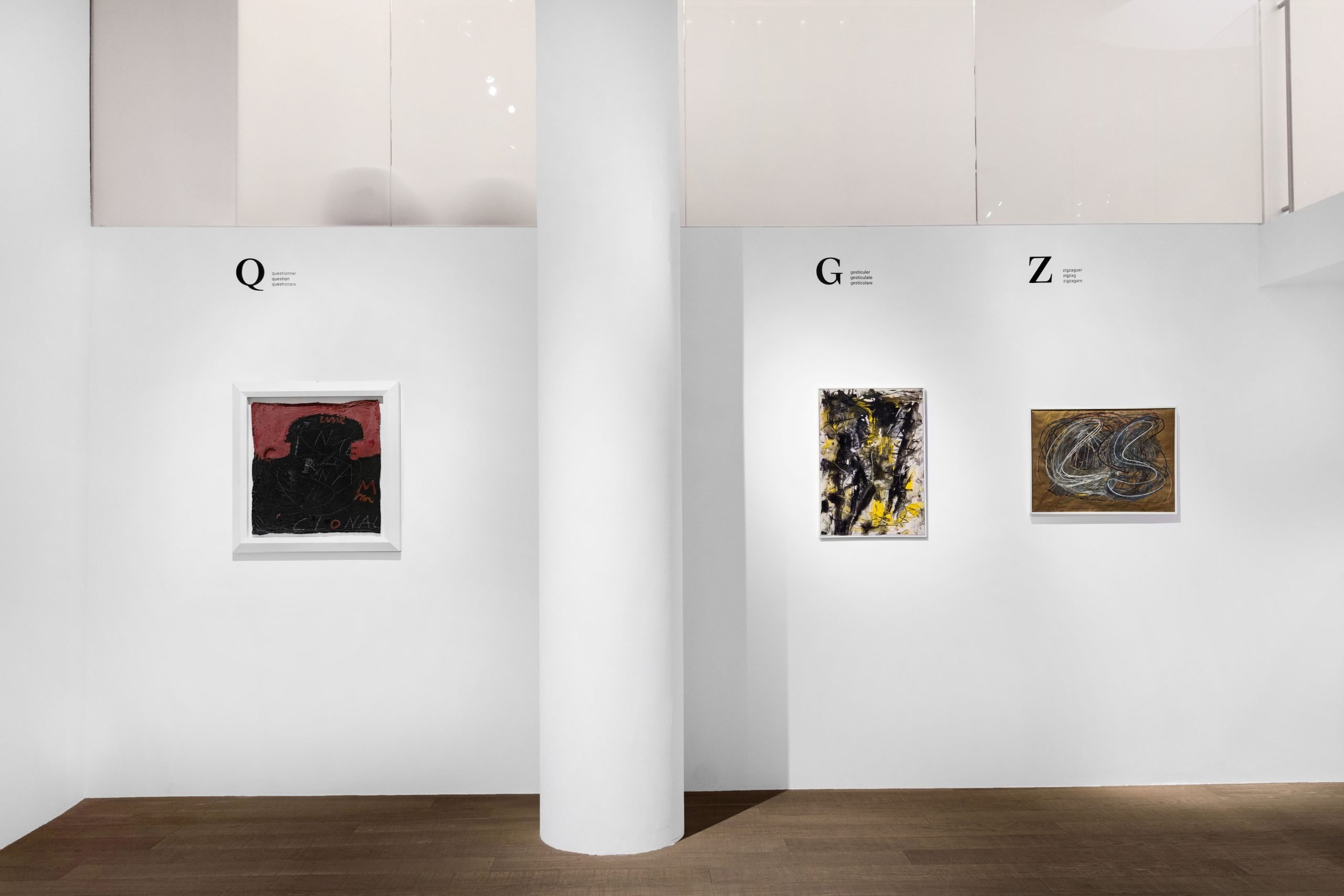
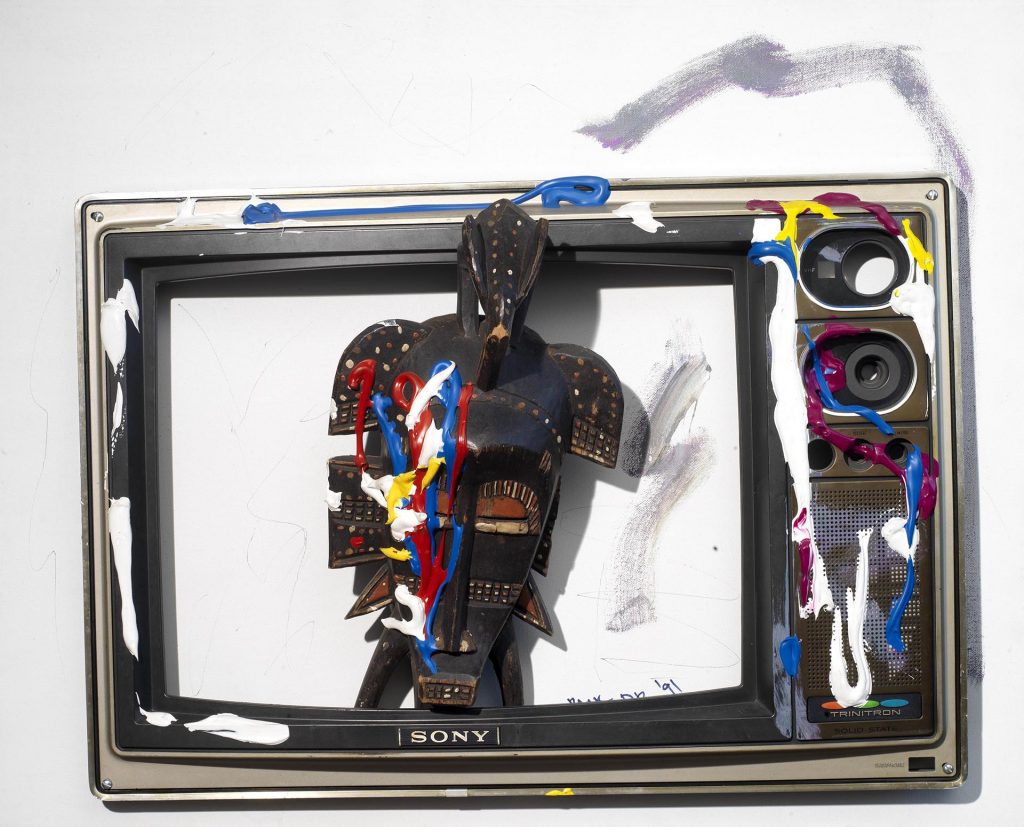
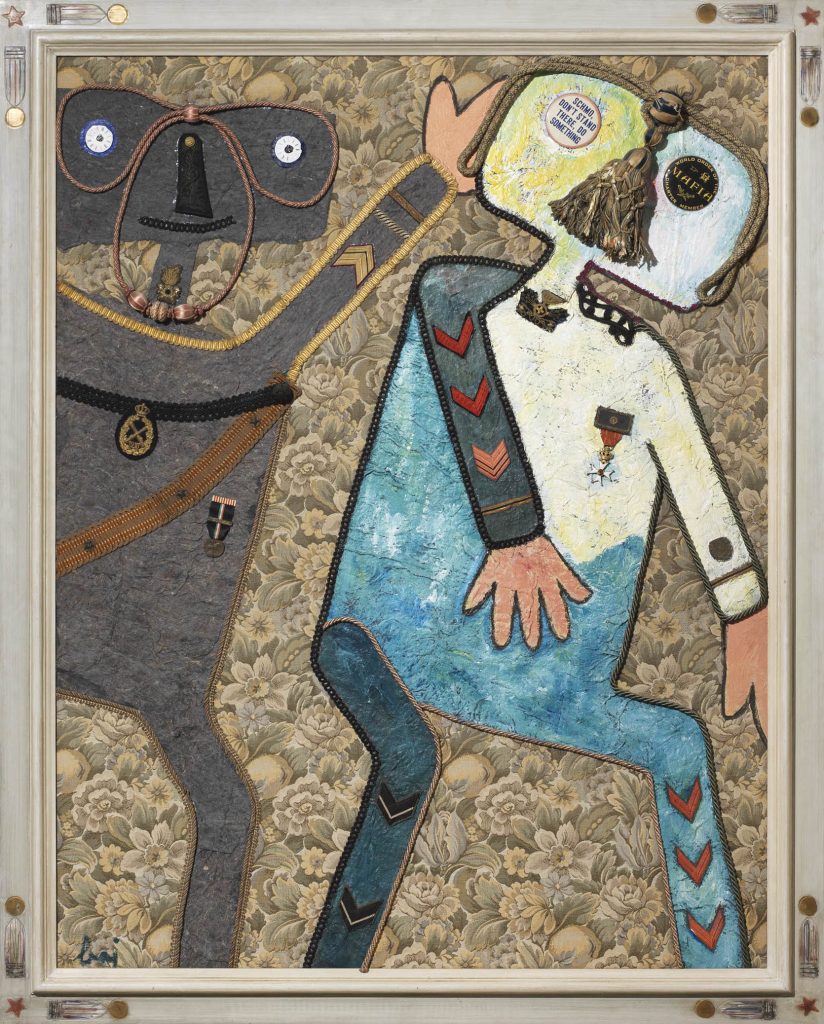
Twenty-five works by twenty-two Italian and international artists are assembled in a trilingual alphabet, each letter the beginning of an iconoclastic verb: Enrico Baj ‘‘attacks’’, Alberto Burri ‘‘burns’’, while Arman ‘‘vandalizes’’ and Tancredi ‘‘zigzags’’.
Read more
The aftermath of the Second World War in Europe was a time of unprecedented intellectual and aesthetic controversy, questioning and debate, particularly around the ideas of destruction and creation, order and disorder, rupture and (re)construction. In the face of barbarity, it became necessary to question everything in order to create unprecedented works. In art, to break has always been another way – or an ‘‘other’’ way – of regenerating everything: to ‘‘protest’’ is to beat reality to a pulp; to ‘‘vandalize’’ is to annihilate the materiality of objects in favor of the life of things; to ‘‘attack’’ is to abolish all constituted rules; to ‘‘destroy’’ is to (re)build on new foundations.
From the1950s to the 1980s, a number of artists drew from the energy, power and intensity of the most transgressive and iconoclastic gestures to break free from previous artistic diktats and to push the pictorial or sculptural framework beyond any material, spatial or temporal limits. Using the expressive potential of unconventional methods, they defined new languages, spaces and meanings for the work of art, in response to the artistic, social and political context of their times, or even the end of history or outmoded ideologies.
Borrowing its title from Alighiero Boetti’s masterful and poetic disruption of letters and words, this exhibition entitled An alphabet of order and disorder adopts the principle of French, Italian and English primers to better qualify the acts of destruction/creation that are at the root of a transition between old orders that have become sterile and obsolete, and new disorders that are more fertile, fruitful and open to the world. Here, at Tornabuoni Art in Paris, these are revealed by twenty verbs of destruction/creation, associated with twenty-five exceptional works signed by twenty-two artists emblematic of the avant-gardes of the second half of the 20th century.
Opening on April 24 – 24-4-2024 – this project, dedicated to the artist Alighiero Boetti, celebrates the 30th anniversary of his death in an ‘‘orderly and disorderly’’ fashion.
publications

An alphabet of order and disorder
exhibition catalog edited by Tornabuoni Art Paris and Marc Donnadieu. Essays by Marc Donnadieu and Elizabeth de Bertier. B/w and colored illustratons, 96 pages, 9,6×6,8 in, Italian/English, English/French, 2024.
selection of works


X